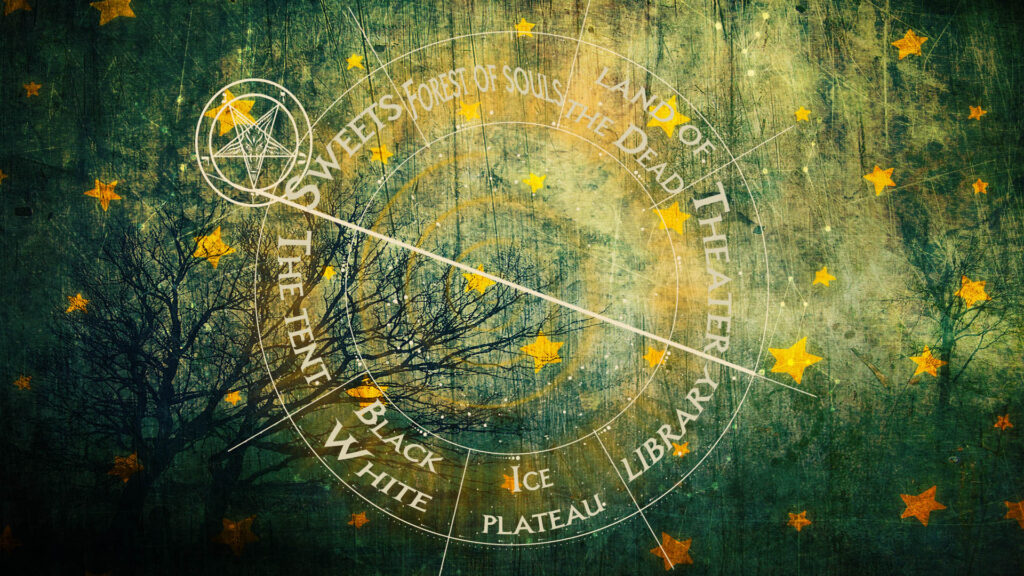
 PowersThe Law of Desire and the Structure of WorldsThis section establishes a unified system comprising Agnet’s estate, the Jester’s Theater, the Dollhouse, the hotel with the resonator, and all the borderlands.→
The Moonlit World
Characters, creatures, places and the hidden history of the Moonlit World.
Press / to search
PowersThe Law of Desire and the Structure of WorldsThis section establishes a unified system comprising Agnet’s estate, the Jester’s Theater, the Dollhouse, the hotel with the resonator, and all the borderlands.→
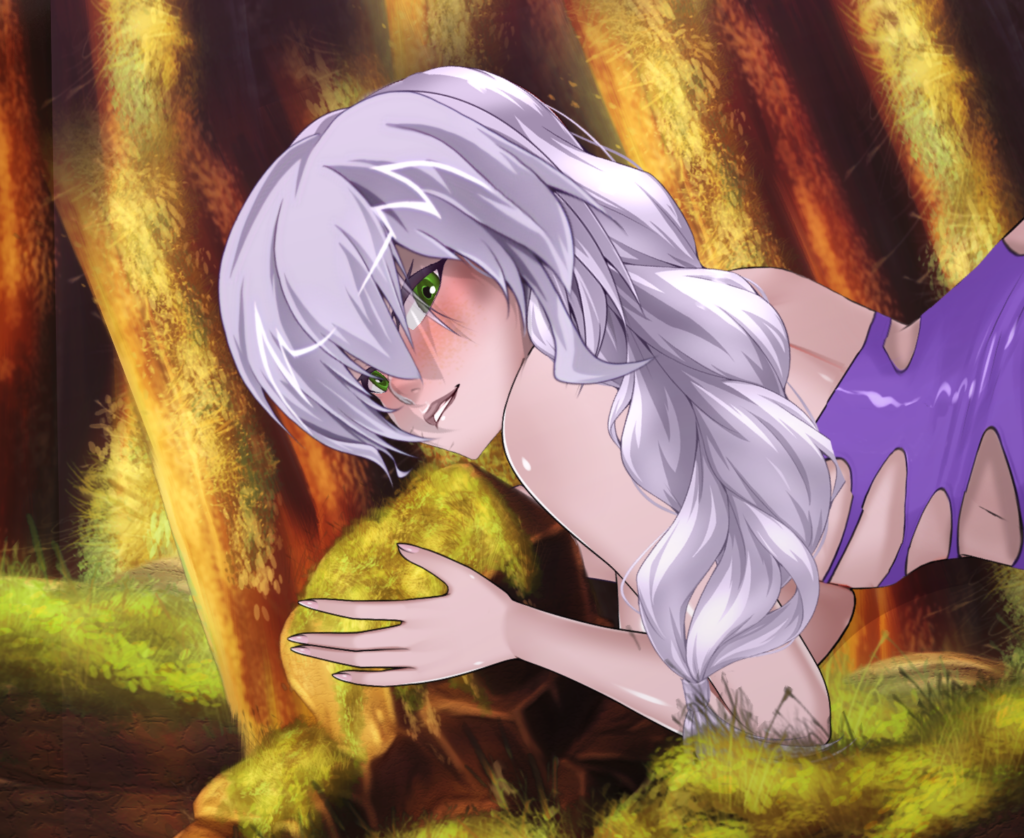 CharactersAgnetAgnet transformed the family estate into a nexus between worlds and left Chelsea not a fortune, but an initiation disguised as a will.→
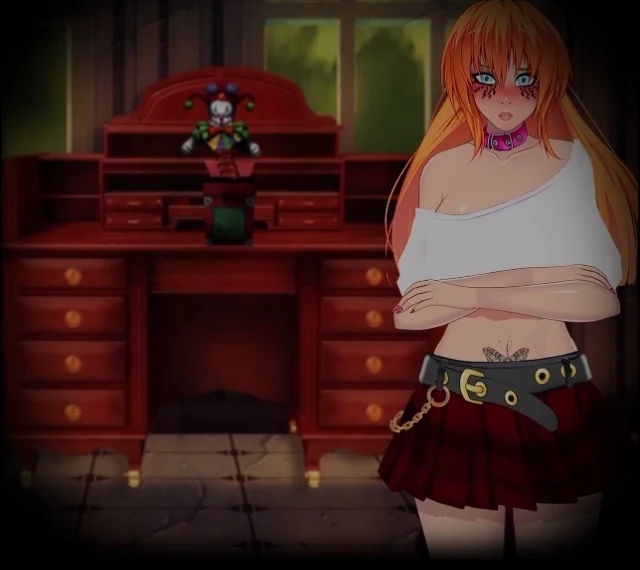 CharactersChelseaChelsea enters the estate for the money, but by the end of her first night, she has become a focal point for spirits, worlds, and the desires of others.→
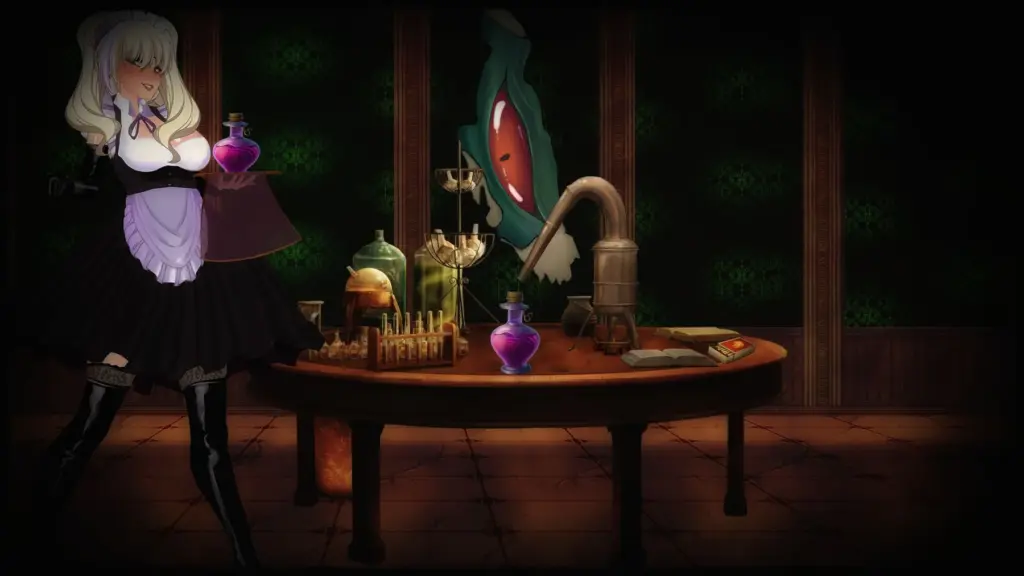 CharactersMelissaMelissa is gentler than Chelsea, but no weaker. Where her older sister breaks the rules, the younger one understands why they work.→
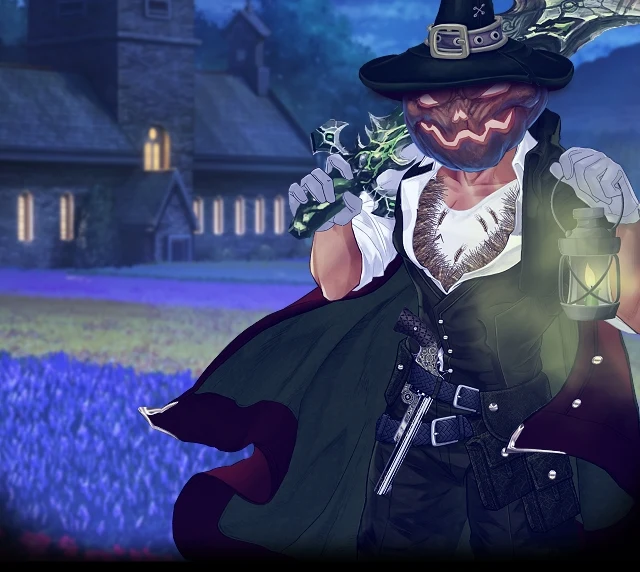 CharactersJack — The Candle DemonJack looks like a living scarecrow with a pumpkin head, but behind the fire and coarse speech lies the will of a man accustomed to shielding those he considers his own.→
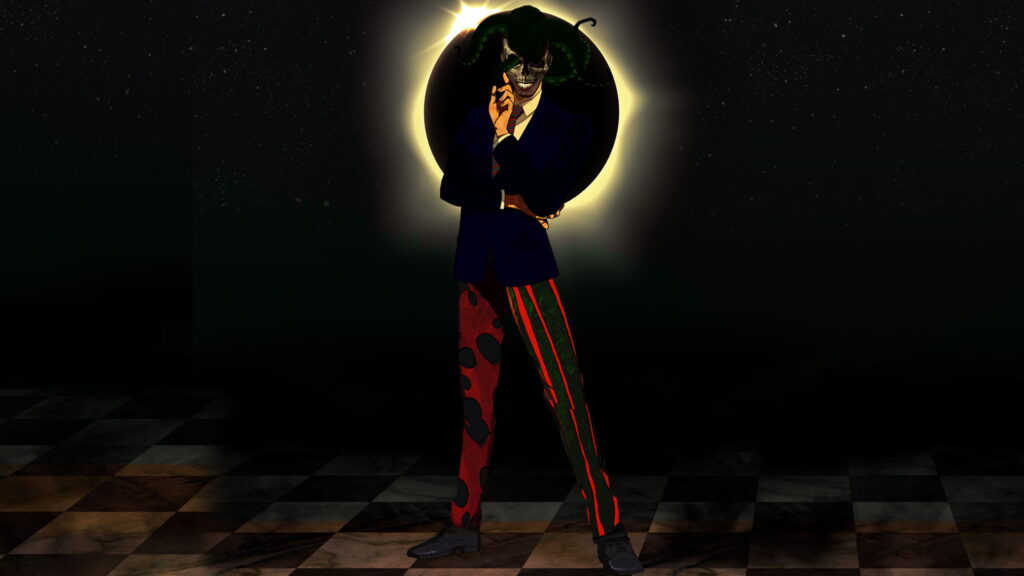 CharactersThe JesterThe Jester turns others’ inner lives into a stage. His theater is fueled not by spectators, but by people who have agreed to perform—even if only one step behind the curtain.→
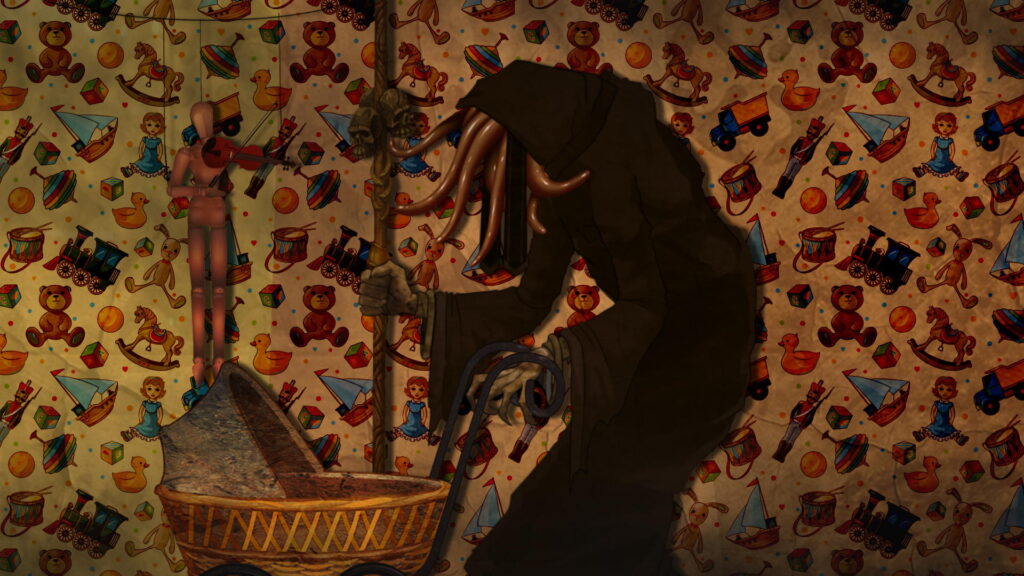 CharactersThe Puppet MasterThe Puppet Master promises to free a person from the pain of choice. The price of this tender, almost maternal care is the right to cease belonging to oneself forever.→
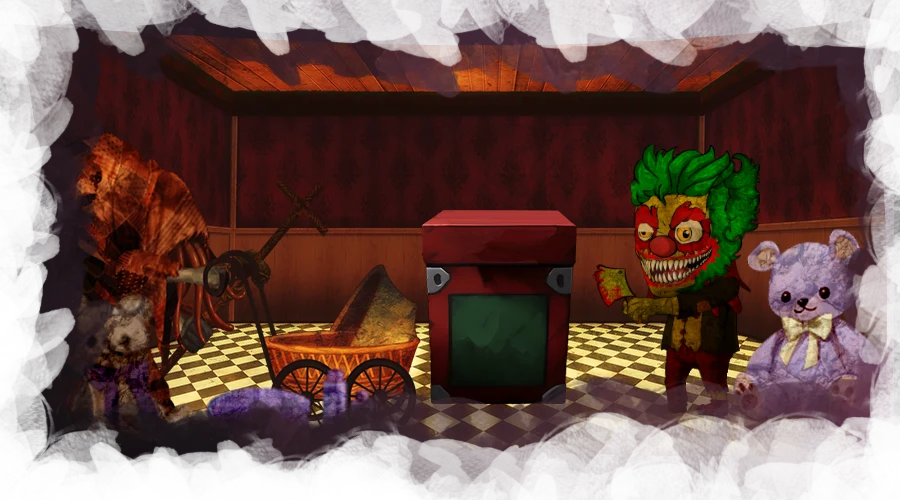 CharactersThe Nightmare MerchantHe almost never lies outright. It’s enough to tell just enough of the truth for the buyer to choose the worst price on their own.→
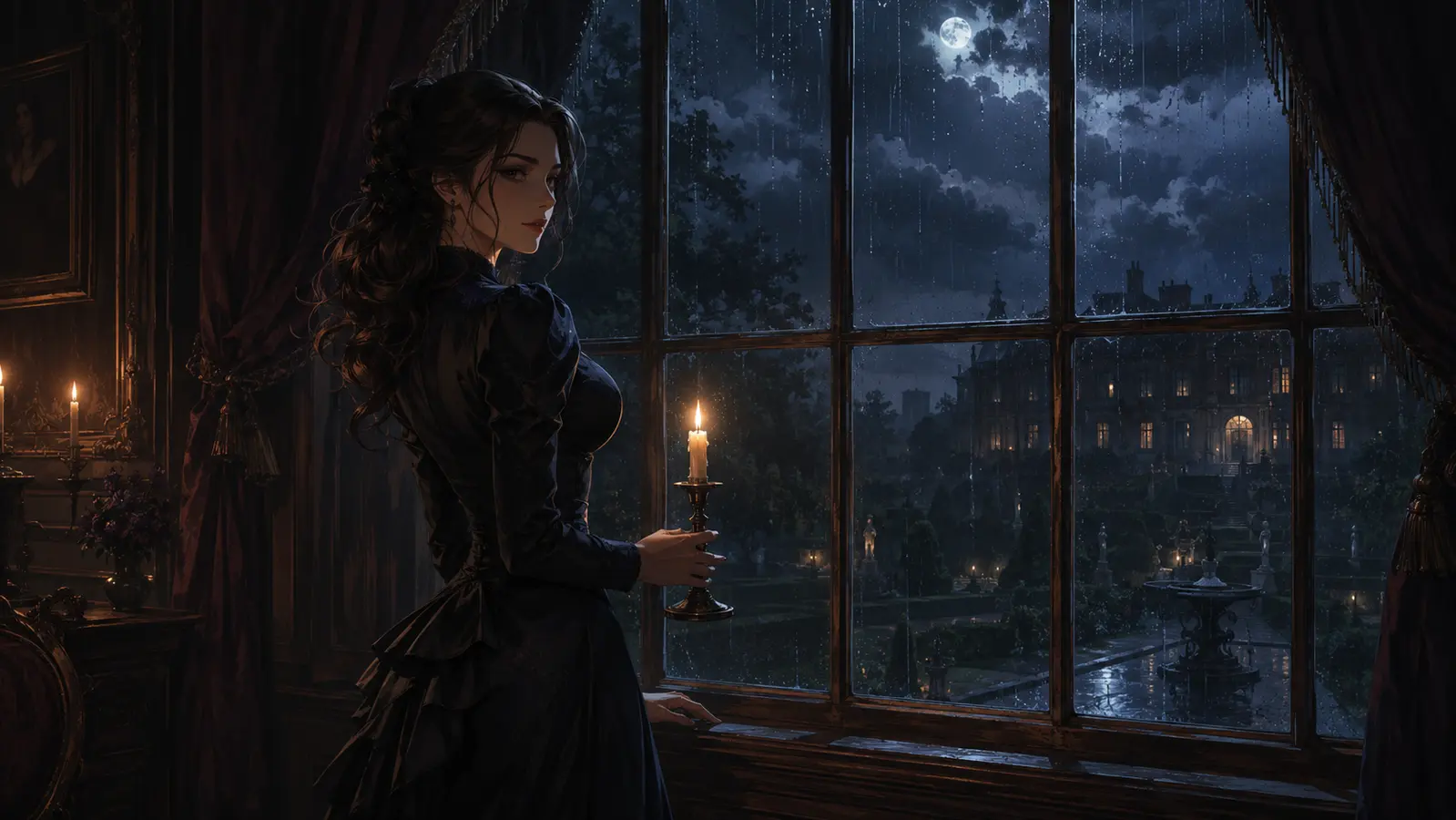 CharactersThe KeykeeperThe Keykeeper does not control all doors. It is not the door itself that he makes more dangerous, but the very distinction between “entering,” “exiting,” and “finding oneself locked inside oneself.”→
CharactersTlazdine — Goddess of Sinful PleasuresTlazdine does not require chastity, repentance, or renunciation of the body. Her faith is built on the opposite: desire must be acknowledged, lived out, and turned into action. That is why she appears to be a generous goddess. She does not condemn Chelsea, does not humiliate her for her pleasure, and does not try…→
CharactersThe KeykeeperThe Keykeeper does not control all doors. It is not the door itself that he makes more dangerous, but the very distinction between “entering,” “exiting,” and “finding oneself locked inside oneself.”→
CharactersTlazdine — Goddess of Sinful PleasuresTlazdine does not require chastity, repentance, or renunciation of the body. Her faith is built on the opposite: desire must be acknowledged, lived out, and turned into action. That is why she appears to be a generous goddess. She does not condemn Chelsea, does not humiliate her for her pleasure, and does not try…→
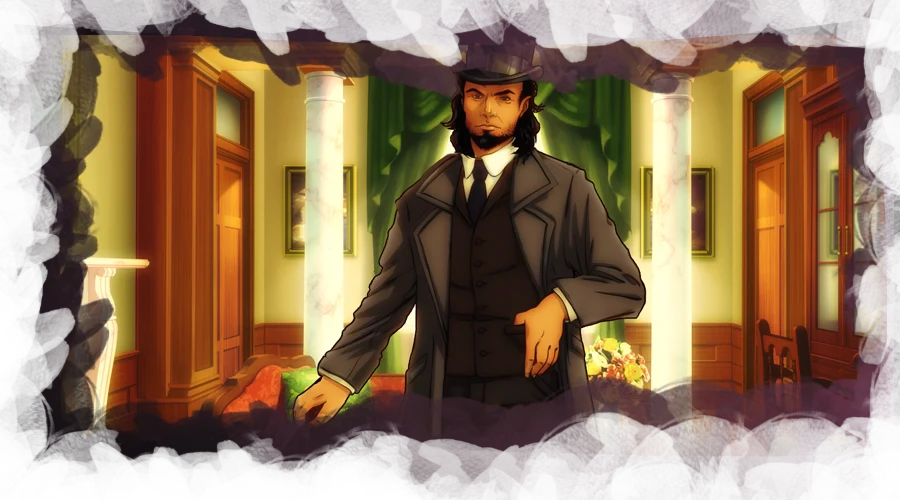 CharactersDuke and Johan WeberThe Webers are dangerous precisely because they remain human. They do not need to be possessed to turn another’s fate into an experiment or a clause in a contract.→
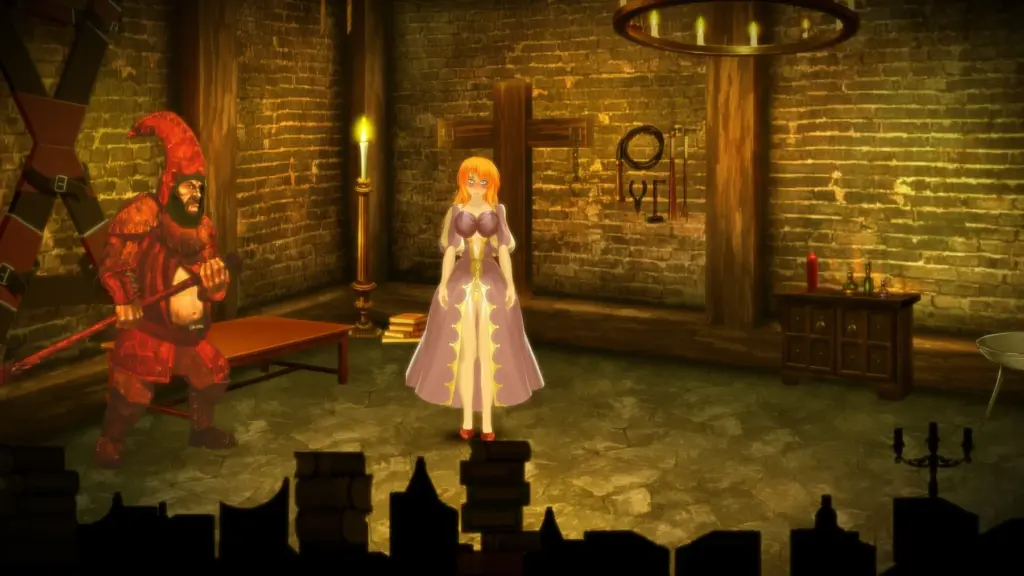 CharactersInquisitor Henri SansonHenri declares desire a crime, but his power grows precisely from the shame, pain, and suppressed lust of others. He does not destroy vice—he claims the right to punish for it.→